 The continuous practice of conflict is the source of all diseases inside and outside the body. It accelerates the aging process, and it prevents us from experiencing our birthright “happiness”.
As Amrit Desai mentions in his book “Explore, Expand,
Experience the Spiritual Depth of Yoga” the body, mind and ego live in a
conflict of interest. When the heart says, “I want love”, the ego says, “Stay
in control”, and the mind says, “I want to have more sex”. The body always
follows the strongest voice. And in reality, we are not loving we are
practicing conflict. The same example came be use before eating, the heart
says, “Eat moderately”, during the meal, the ego says, “enjoy yourself, have
more”, and after the meal, the mind says, “I hate overeaten”.
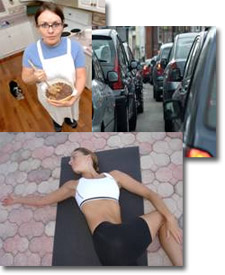 This internal conflict can happen in any other area of our
lives, as when cooking, driving, or even practicing Yoga when we judge our
performance in the Yoga mat by comparing ourselves with our performance the day
before, or with the performance of others, having expectative of how many poses
you have to accomplish even before you start the practice.
This is not the practice of Yoga, the act of the mind, body
and ego performing as one. The integration of this three can be achieved with
intention and a consistent practice.
The Yoga postures are commonly known as Asanas, although
this term has a deeper meaning. Asanas are in third place in the book “The Yoga
Sutras”, or the eight limbs, or steps, to enlightenment. The old style of
teaching, like Pattabhi Jois style, says, you shouldn’t pass to another limb
until you have learned the one before.
Here are the two limbs you should practice when practicing
Asanas in order to practice union instead of conflict:
- Yama. Yama refers
to moral discipline. Restrictions. Not to do. Ahimsa / nonviolence, Satya /Truth, honesty, Asteya/ No stealing, Brahmachaya/ Sexual
continence, Aparigraha/ Nongreed
- Niyama. Niyama refers to self observation. Things
to do. Saucha/ Purity physical and mental, Samtosha/ Contentment, Tapah/ Austerity, Svadhhyaya/ Study of teachings and
scriptures, Isvarapranidhanani/ Accept the existence of God.
- Asana. Asana means “stability” “position”.
 A good tip to move out of conflict is to witness consciously
when it happens, and move from a compassionate place, from the heart. This will
help to integrate the conflicting voices. Act with patience.
We all have experienced the union of the mind, body and ego,
when totally absorbed by an activity that engages our total focus. These
activities are called entertainments. Some are called hobbies, such as music,
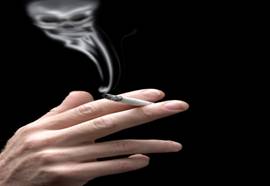
sports, art, etc, and some are called addictions, such as alcohol, drugs,
tranquilizers, or work. The amount of stress they relieve is equally
proportional to the amount of addiction, or attachment. When entertainment is
used as such there is no addiction.
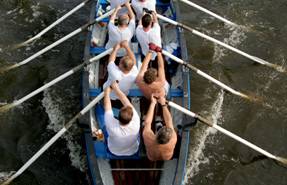
The point is that when we do something that takes our whole focus
we merge the three bodies: body, mind, and ego. This integration brings pleasure
and fulfillment, not because of what we are doing, but because of the merging
of the three bodies. That’s why when practicing Yoga “whole” will bring the
deepest satisfaction to our lives.