
NADI SHODHANAM
This Pranayama is called Nadi Shodhanam. It should be done at least twice a day, morning and evening. It can also be practiced in the middle of the day on an empty stomach (the mid-day pattern is determined by which nostril is active and which is passive at the time of practice). This is practiced after asanas and relaxation is over with. Make sure you sit in a comfortable cross-legged position.
E= exhale I= inhale
This variation is very refined. It requires more manipulation of the nostrils and, because of this, beginners may not find it suitable. If you choose this variation it can remain as your primary practice.
MORNING
Nostrils:
Left | Right
3X through both nostrils
MIDDAY
Active Passive
Nostrils:
Left | Right
3X through both nostrils
NIGHT
Nostrils:
Left | Right
3X through both nostrils
This variation is easier to remember and monitor. Inhaling and exhaling must be done as a full breath.
MORNING
Nostrils:
Left | Right
3X through both nostrils
MIDDAY
Active Passive
Nostrils:
Left | Right
3X through both nostrils
NIGHT
Nostrils:
Left | Right
3X through both nostrils
This variation requires the least manipulation of the nostrils and can be good for those just beginning.
MORNING
Nostrils:
Left | Right
3X through both nostrils
MIDDAY
Active Passive
Nostrils:
Left | Right
3X through both nostrils
NIGHT
Nostrils:
Left | Right
3X through both nostrils
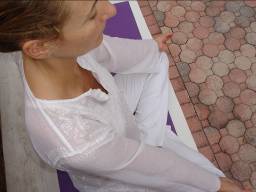
1.- Sit in a cross-legged position with the neck, trunk, and spine in alignment.
2.- Find out which nostril you are going to breath through. The first nostril is always the passive one. These changes depend upon the time of the day – morning, midday, or night.
3.- Breathe fully using the navel. The breath should be smooth and not forceful, with the inhalation and exhalation equal in duration.
4.- The mudra is done by bending the index and middle fingers towards the palm and using the thumb and ring finger to close the nostrils. Make sure that you don’t bend yourself forward to reach your hand. The hand goes should go to you and not the other way around. You should be in a perfect sitting position.
5.- The pressure on the nostrils does not need to be hard. It should be gentle.
6.- Continue inhaling and exhaling until you have completed one full round, then breath deeply through both nostrils.
7.- After choosing the variation, and once you are able to make equal and smooth inhalations and exhalations, allow yourself to move forward by making the process slower, more consciously focused, and smoother. If you can do that, you are ready for the next level.
INTERMEDIATE LEVEL OF ALTERNATE NOSTRIL BREATHING
The intermediate level is done by practicing three rounds of Nadi Shodhanam. Take three breaths (or more if needed) through both nostrils to recover the natural internal breathing.
After the first three rounds, the second round starts with the opposite nostril. The nostrils are alternated so that the third round starts with the same nostril as the first round.
As you progress in this practice, you will probably want to dedicate more time and attention to it. The goal is a smooth and serene breath ,thus, you never want it to be uncomfortable or forceful.
All breathing techniques can be practiced twice a day. To obtain optimum results, they should be practiced after performing yoga asanas.
All of the breathing techniques will allow you to reach a meditative state. They also awaken sushumna (the central channel) which is the path to elevated states of being.
Most of the Pranayama techniques are easy to do and very powerful. Click on the link below to find more Pranayama techniques:
Meditation Table of Contents
- General Overview
- Sitting Positions
- Yoga Positions
- Best Places to Meditate
- Best Time to Meditate
- How Eating, Sex and Sleep Affect Your Meditation
- Breath Control or Pranayama
- Nadis
- Basic Procedures for Alternate Nostril Breathing
- A Specific Program to Get You Started
- Time and Effects During Meditation
- How many days should I do this Meditation for?
- Benefits
- Tips for a Meditative Mental State
- Different Types of Meditation
- Frequent Questions and Answers