
The science of Pranayama deals with the nervous system and are considered important preparatory practices for meditation. When experimenting with and observing Pranayama, you will notice such benefits like feeling calm and relaxed in both body and mind.
Before we understood how the nervous system worked, Yogis knew about energy flows within the body called Nadis.
Nadis, like nerves and tendons, are not visible to the naked eye. They are subtle energy lines running throughout the entire body. There are thousands of Nadis in the body, however, only three play a particularly important role: sushumna, ida, and pingala.
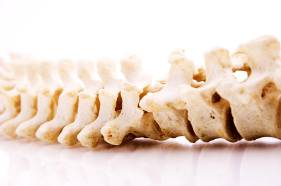
Sushumna is the central channel and corresponds to the physical spinal column. Ida and pingala start in the base of the column. Ida is associated with the left side and finishes at the left nostril. Pingala is associated with the right side and finishes at the right nostril. Normally the energy flows in both sides alternately. The goal of many paranayama practices is to allow the pranic energy to go upwards through sushumna, which provides a higher state of consciousness.
To better understand how Pranayama works, it is important to understand how the nostrils work and affect us. The left nostril is associated with the parasympathetic part of the brain (the one in charge of rest and repair) The right side is associated with the sympathetic part of the brain (the one in charge of fight or flight reactions).
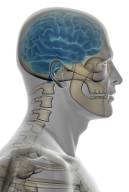
It is very surprising to know that only one of the nostrils is in charge at any given time. The dominate nostril switches on and off every two and a half hours.
There are two interesting books which discuss breathing in detail. They are Science of Breath and Path of Fire and Light by Swami Rama.
To know more about how the nostrils work, click on the link below:
/Hatha-Yoga/Hatha-Breathing.html#how3
Though there are many Pranayama practices, all of them require the flow of breath between the two nostrils. Some of the benefits of practicing Pranayama include calming and balancing the nervous system, purifying the Nadis, balancing the flow of breath in the nostrils, and creating a state of clarity.
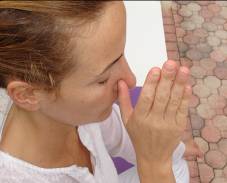
Some practices encourage breath retention, however, these practices are only taught to advanced students because they require major mind and body control: bandhas (locks) and mudras (hand positions).
Alternate nostril breathing is easy and has immediate results. There are three major versions commonly taught which vary from beginner to intermediate levels.
Select one of these versions and practice it for about 2 months until it has been refined. You can then add other variations, though it is recommended that after a period of practice you select one specific daily practice.

1:2 BREATHING
This Pranayama will help you to relax while also creating resistance and helping to eliminate gases from the body.
For this Pranayama, you must make the exhalation twice as long as the inhalation. The ratio is 1:2. If you inhale to 4, exhale to eight; if you inhale to 5, exhale to 10.
Practice this pranayama for 5 to 10 minutes every day for two weeks. It will make you feel more energetic.
Meditation Table of Contents
- General Overview
- Sitting Positions
- Yoga Positions
- Best Places to Meditate
- Best Time to Meditate
- How Eating, Sex and Sleep Affect Your Meditation
- Breath Control or Pranayama
- Nadis
- Basic Procedures for Alternate Nostril Breathing
- A Specific Program to Get You Started
- Time and Effects During Meditation
- How many days should I do this Meditation for?
- Benefits
- Tips for a Meditative Mental State
- Different Types of Meditation
- Frequent Questions and Answers